Patagonia Birding Tours
All birding trips

Atlantic coast to the Andes

Steppe to Andean Forest

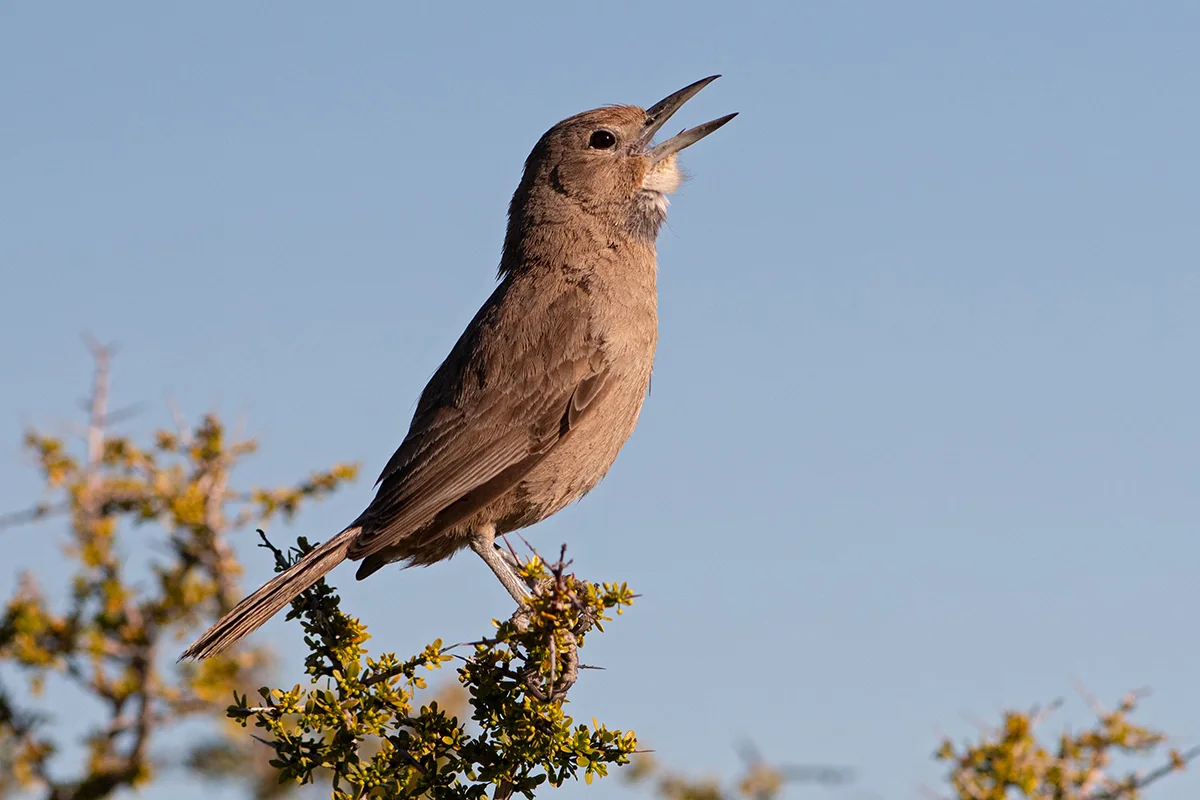
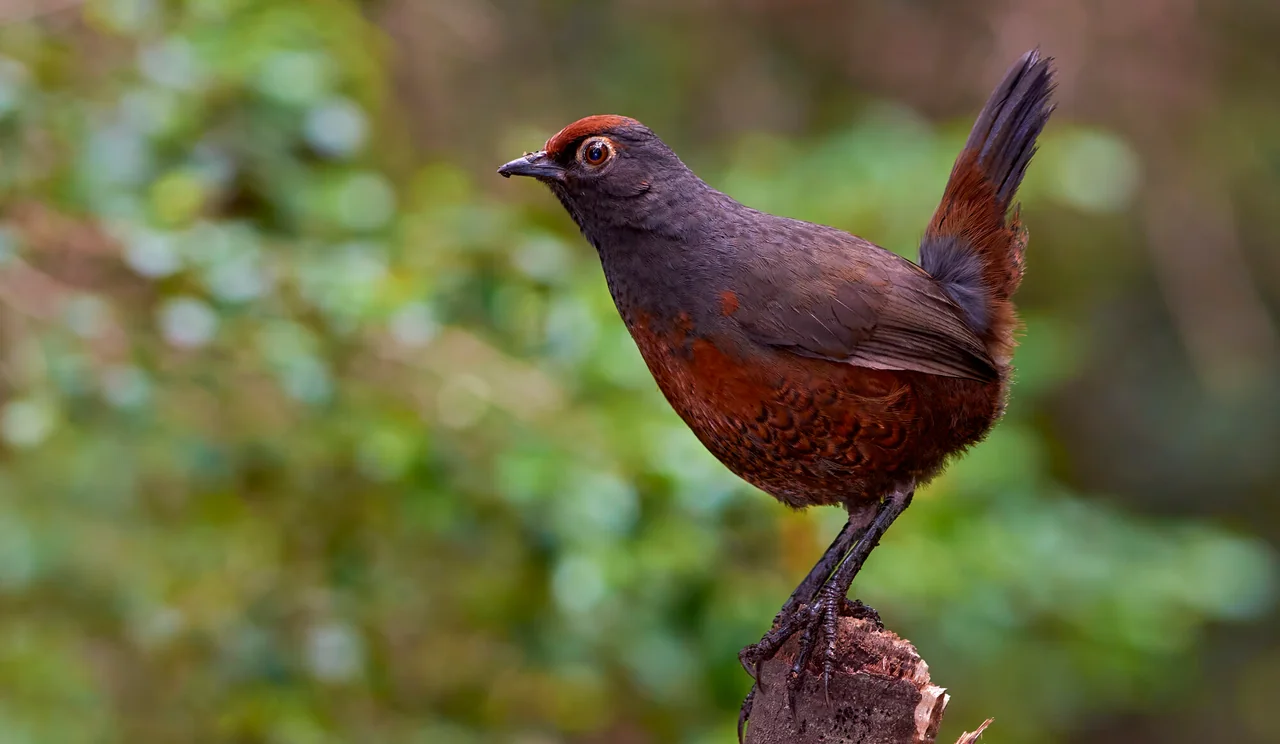
From Puerto Madryn, cross Argentina’s Chubut Province to the forests of the Andes. In the dry eastern scrub we listen for a Sandy Gallito calling at our feet. In the western forest its relative, the Chucao Tapaculo, calls from the undergrowth. We return east through the Chubut River valley.

Set out from
Puerto Madryn, Atlantic coast
Nearby airports
Puerto Madryn (PMY) or Trelew (REL)
Time in the field
Our February crossing took seven full birding days. We tailor the length to your dates.
Explore the itinerary

Across Chubut Province

From the Atlantic to the mountains

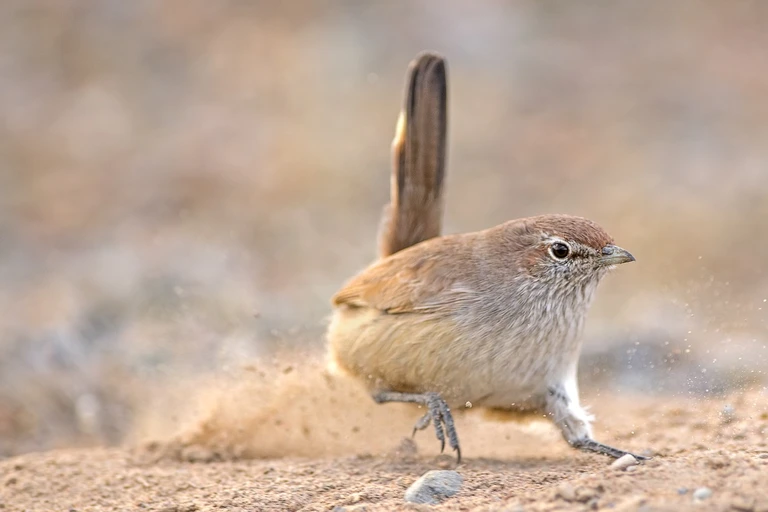
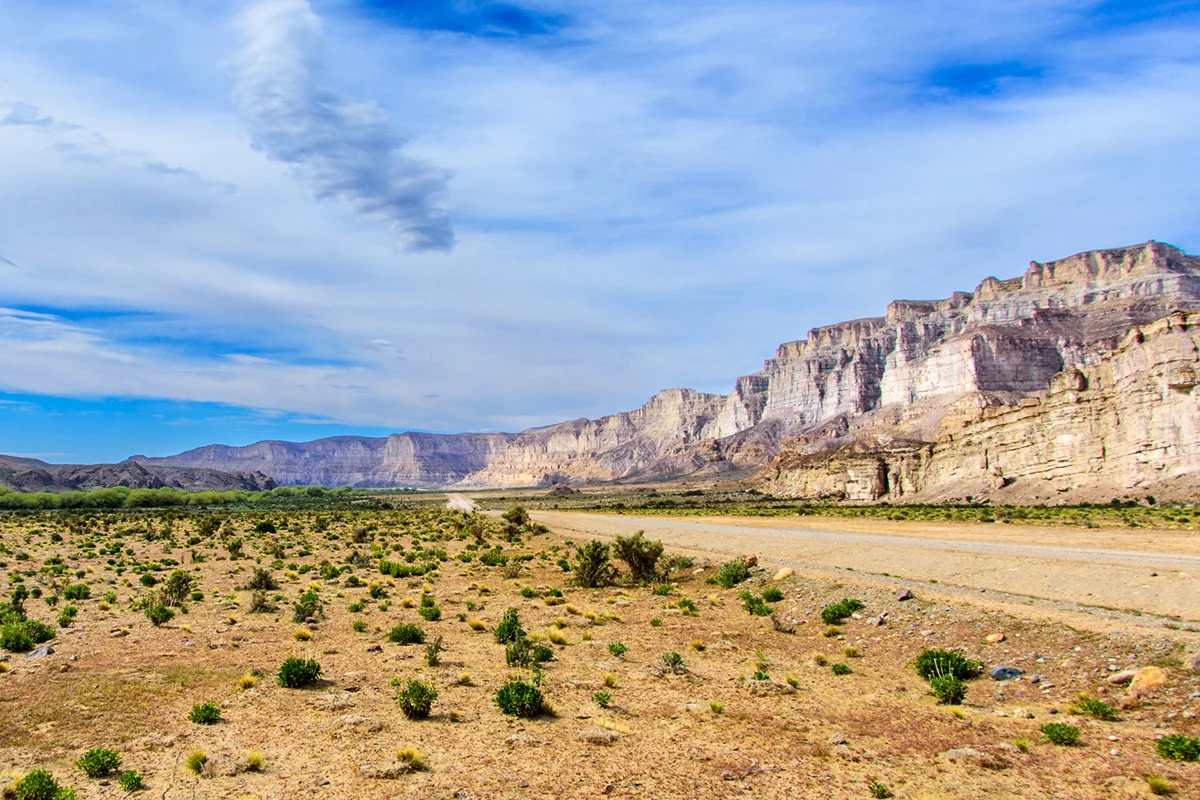
The drives across the steppe are part of the birding. We stop for earthcreepers on stony ground on the way west, and take the river valley on the return so there’s a different stretch of country to explore.

Across Chubut from Puerto Madryn to the Andean forest North is at the top. The trip begins on the Atlantic coast, crosses the Monte and Patagonian steppe westward and reaches the Andean forest. The return passes Piedra Parada in the Chubut River valley. CHUBUT, ARGENTINA 1Puerto Madryn 2Monte & steppe 3Andean forest 4Piedra Parada AtlanticOcean 100 km

Four stages

  1. Atlantic coast
  2. Monte and steppe
  3. Andean forest
  4. Chubut River valley
01

Puerto Madryn and the Atlantic coast

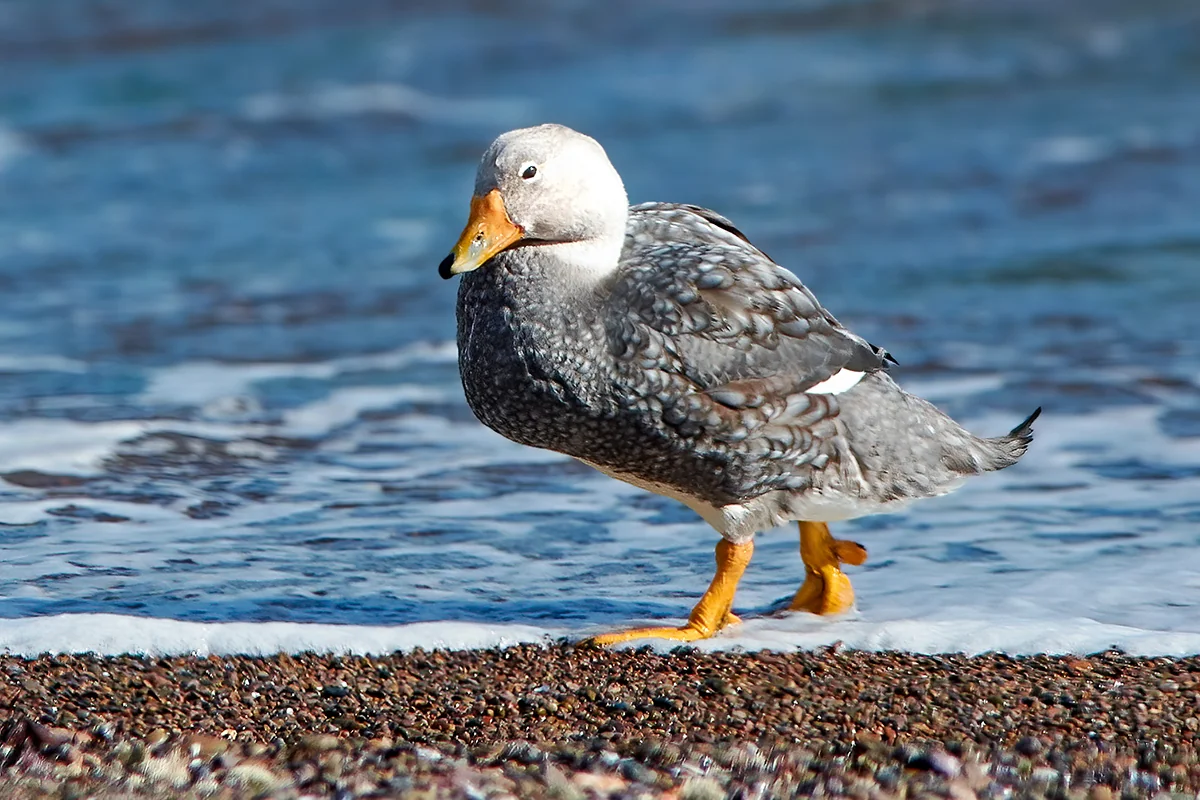
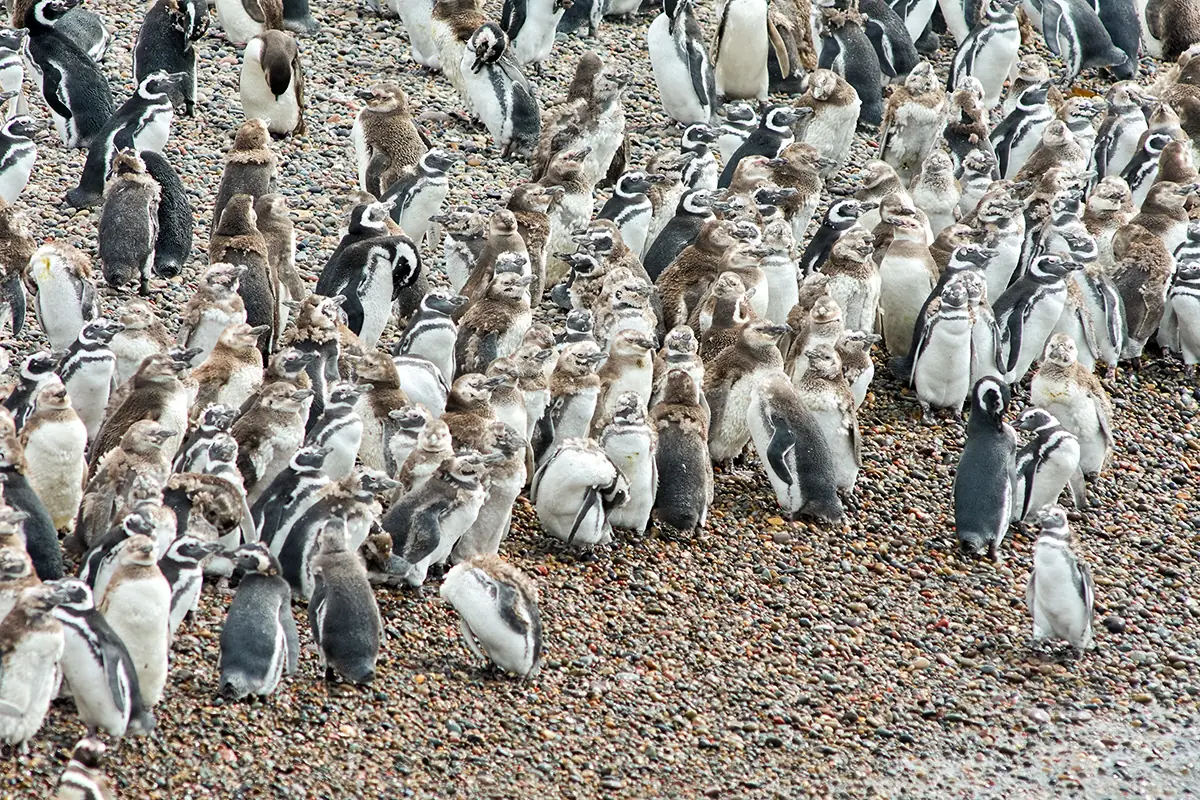
From the port of Puerto Madryn, Península Valdés lies to the northeast and Punta Tombo farther south. We scan rocky shores for White-headed Steamer-Duck and watch for Southern Giant-Petrel from the cliffs. At Punta Tombo, Magellanic Penguins come ashore during the breeding season.

02

The Monte scrub and open steppe

In the Monte, a dry shrubland, we listen for Sandy Gallito and White-throated Cacholote. Where the shrubs thin out, there is room to scan stony ground for Band-tailed Earthcreeper. Patagonian and Steinbach’s Canasteros both featured on our February trip.

03

The Andean forest

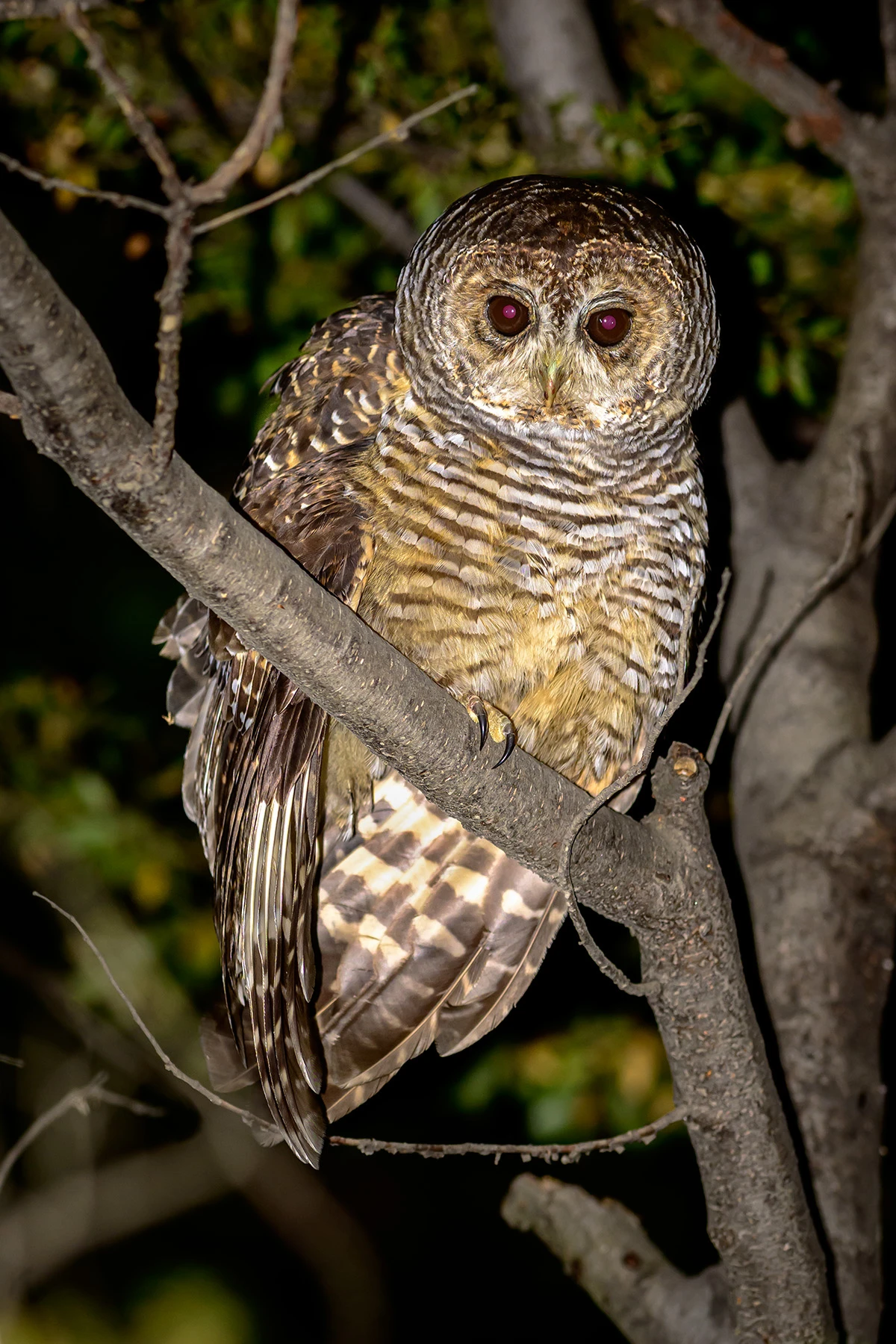
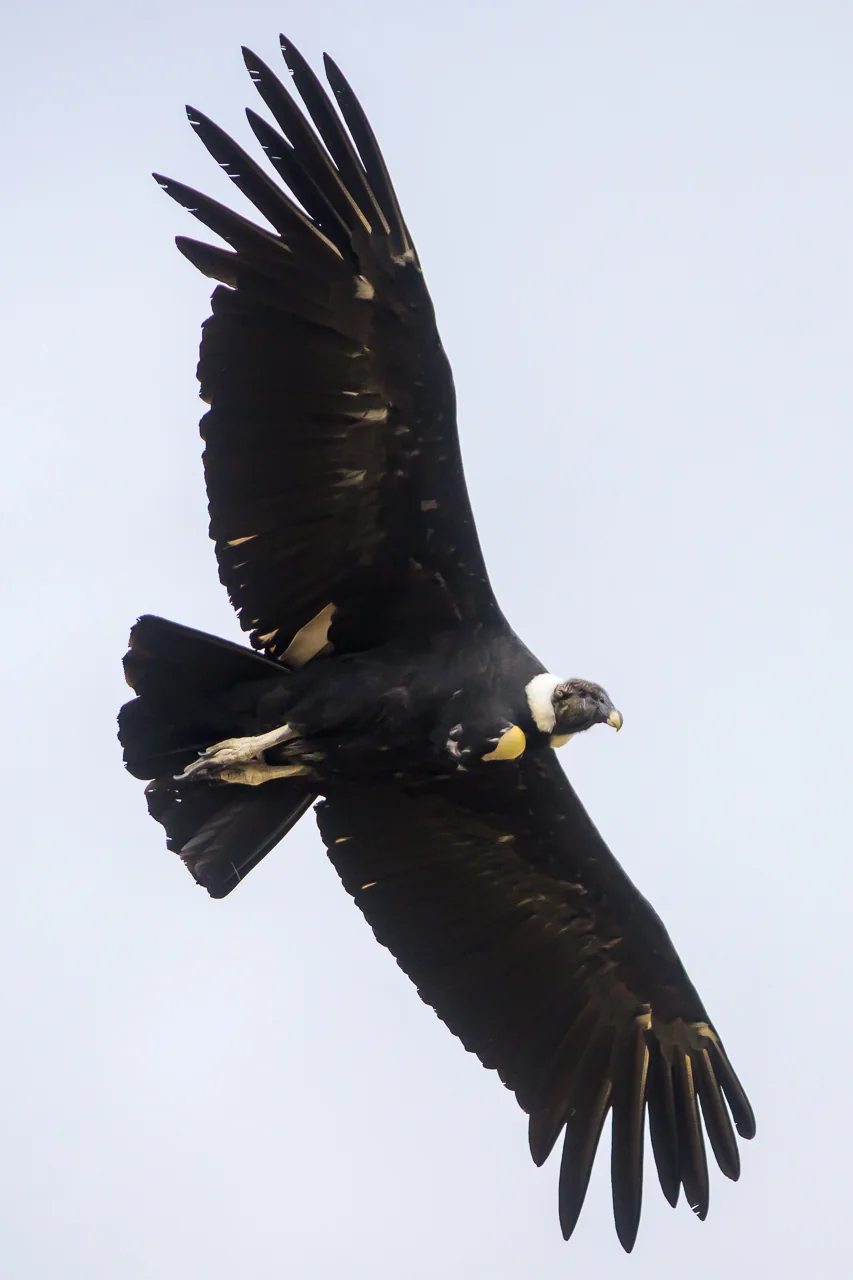
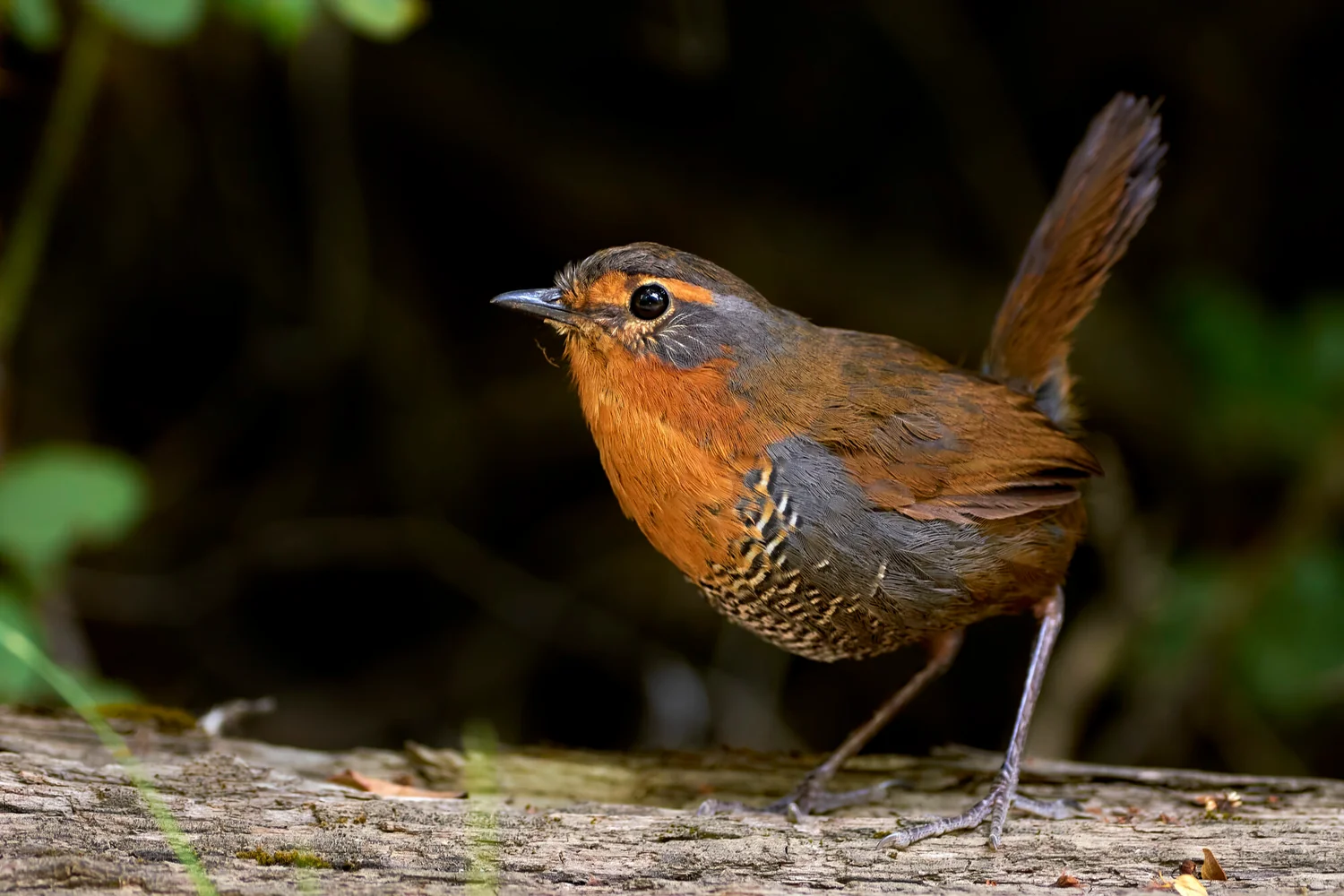
On the mountain approach we watch the ridgelines for Andean Condor. Inside the forest, Chucao Tapaculo and Black-throated Huet-huet often give themselves away by voice. We stop to listen, then watch for movement on the forest floor. Along the rocky lake shores we watch for Dark-bellied Cinclodes. Fast-flowing rivers give us a chance to look for Torrent Duck among the boulders. On a return visit in late February, we photographed and filmed Rufous-legged Owls here after dark. Watch the owl on its perch · 13 seconds.

04

Back east through the Chubut River valley

From Gualjaina the return runs past the volcanic outcrop of Piedra Parada, then through Paso del Sapo and the Cerro Cóndor area. We stop on the stony slopes and open scrub where our guides recorded Straight-billed Earthcreeper on the February crossing.

Birding by habitat

Birds of the steppe and forest

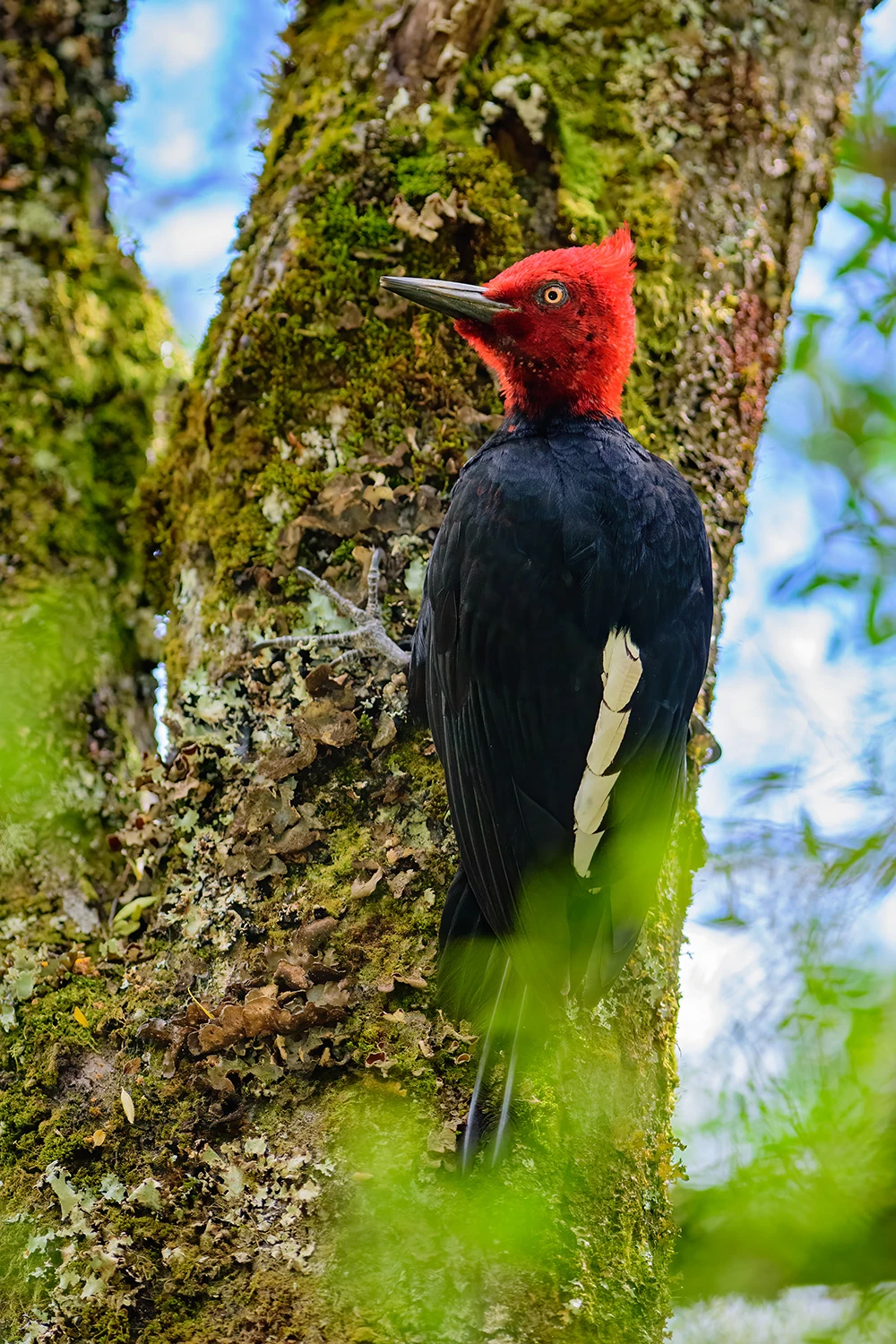
On our February crossing, we watched a pair of Magellanic Woodpeckers feed a juvenile in the Andean forest. All 112 species from those seven days are listed in our field report , along with video of the woodpeckers and photographs of two forest tapaculos.

The Atlantic shore

Atlantic coast
White-headed Steamer-Duck · Magellanic Penguin · Southern Giant-Petrel

Dry country inland

Monte scrub and steppe
Sandy Gallito · Patagonian Canastero · White-throated Cacholote · Band-tailed Earthcreeper · Steinbach’s Canastero

The Andes

Mountain ridges
Andean Condor
Andean forest
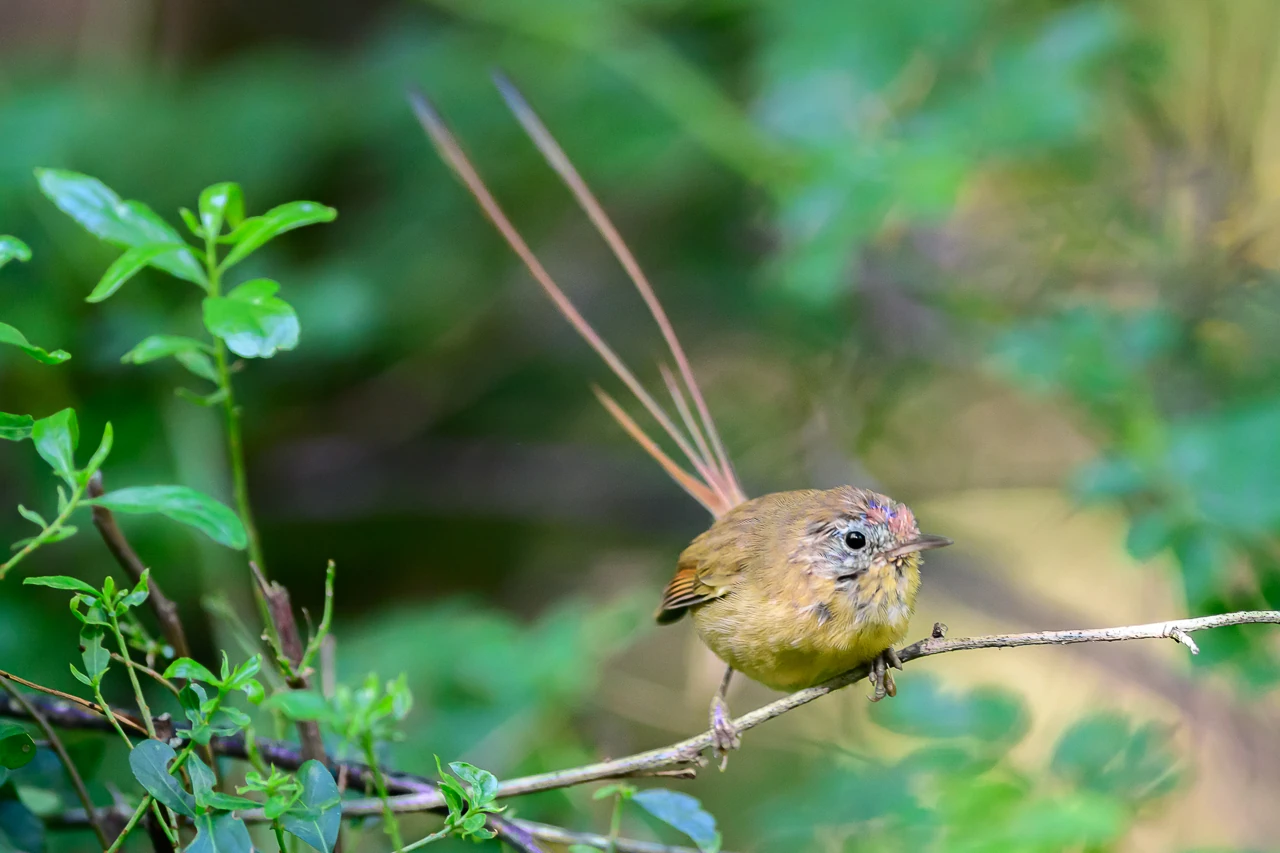
Magellanic Woodpecker · Chucao Tapaculo · Black-throated Huet-huet · Magellanic Tapaculo · White-throated Treerunner · Thorn-tailed Rayadito · Des Murs’s Wiretail · Rufous-legged Owl
Rocky streams and lake shores
Dark-bellied Cinclodes · Torrent Duck

Central Chubut on the return east

Open steppe
Straight-billed Earthcreeper · Rufous-banded Miner
Monte scrub and steppe
White-winged Black-Tyrant

Illustrated bird checklist

135 species from the Atlantic shore, the steppe and the Andean forest. Save it on your phone to mark sightings offline, or print it on A4 paper.

Plan your coast-to-Andes trip

Tell us your dates and whether you’d like more time in the forest, more stops on the steppe or longer with the camera. We’ll suggest how to break up the drives and where to spend each night.